







Cerebral Palsy
Cerebral Palsy (CP) is a group of neurological disorders that affect movement, muscle tone, posture, and coordination. It is caused by brain damage or abnormal brain development before, during, or shortly after birth. While there is no cure for CP, early intervention, therapy, and supportive care can significantly improve a person’s quality of life.
Cerebral Palsy is caused by damage to the developing brain, which can occur due to :-
- Prenatal Factors : Infections during pregnancy (rubella, cytomegalovirus, toxoplasmosis), exposure to toxins, genetic mutations, or lack of oxygen to the fetus.
- Perinatal Factors : Complications during childbirth, such as prolonged labor, oxygen deprivation, premature birth, or low birth weight.
- Postnatal Factors : Brain infections (meningitis, encephalitis), head injuries, stroke, or lack of oxygen (asphyxia) in infancy.

Treatment & Management of Cerebral Palsy
01.
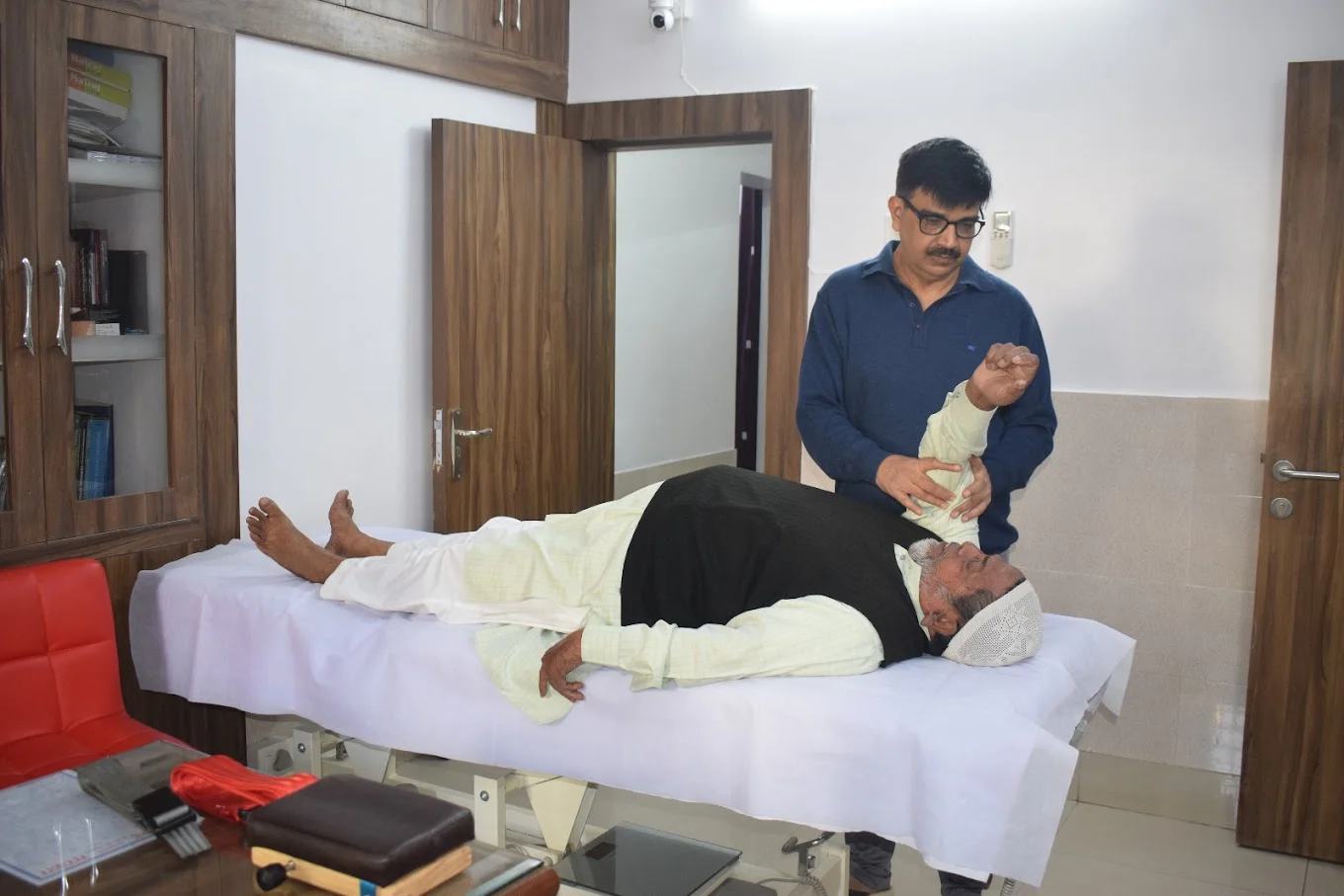
Physiotherapy & Rehabilitation
Uses stretching, strengthening exercises, and movement training.
02.
Occupational Therapy
Helps with daily activities like dressing, eating, and writing.
03.
Speech Therapy
Improves speech, swallowing, and communication skills.
04.
Medications
Muscle Relaxants (Baclofen, Diazepam): Reduce spasticity and stiffness.
05.
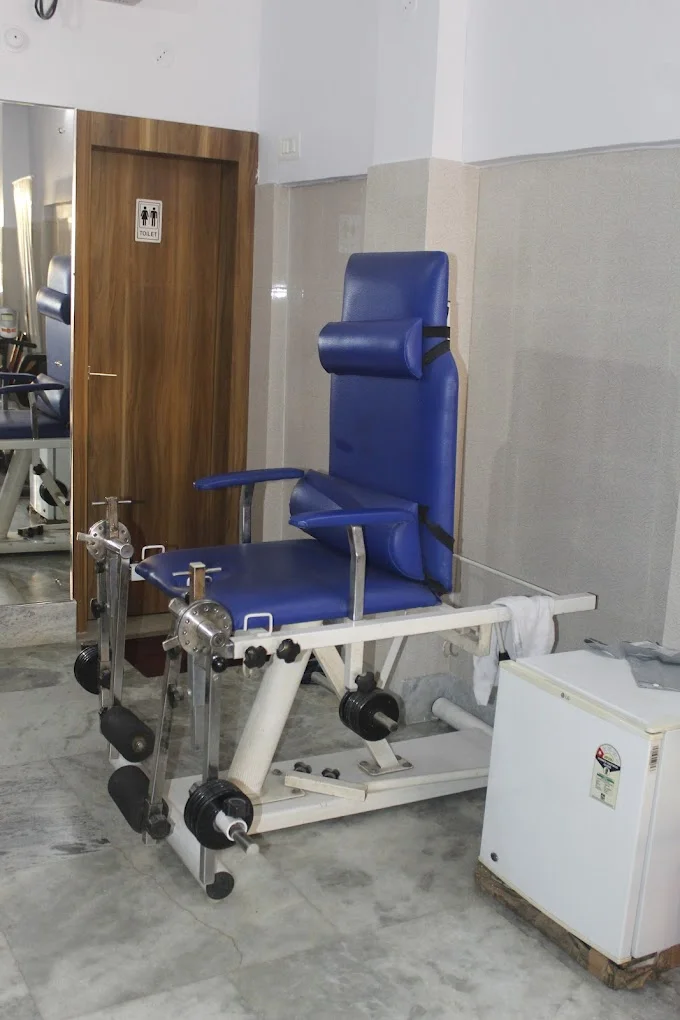
Assistive Devices & Mobility Aids
Braces, orthotics, wheelchairs, walkers, and adaptive seating to enhance mobility.
06.
Surgery (For Severe Cases)
Orthopedic surgery to correct deformities and improve posture.m

Frequently Asked Questions
Can Cerebral Palsy be cured ?
No, CP is a lifelong condition, but therapy and treatment can improve function and quality of life.
Is Cerebral Palsy progressive ?
No, CP does not worsen over time, but symptoms may change as a person grows.
Can children with Cerebral Palsy go to school ?
Yes, many children with CP attend school with special education support and assistive devices.
What is the life expectancy of someone with Cerebral Palsy ?
With proper care, individuals with CP can live long, fulfilling lives.