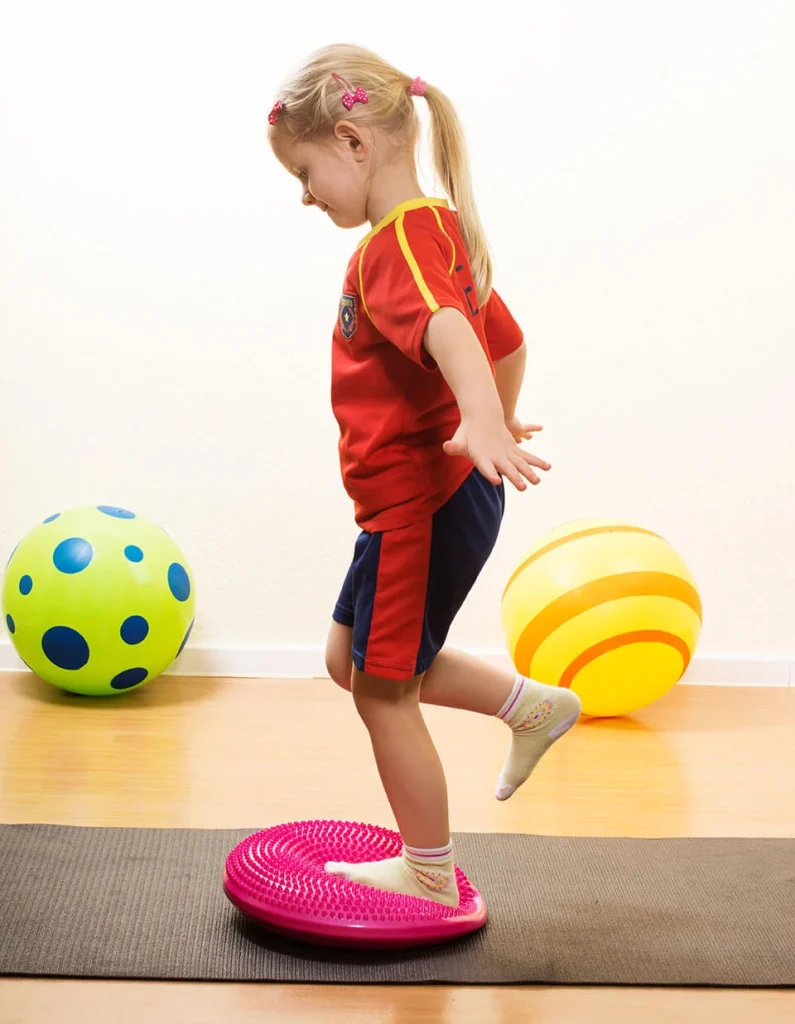
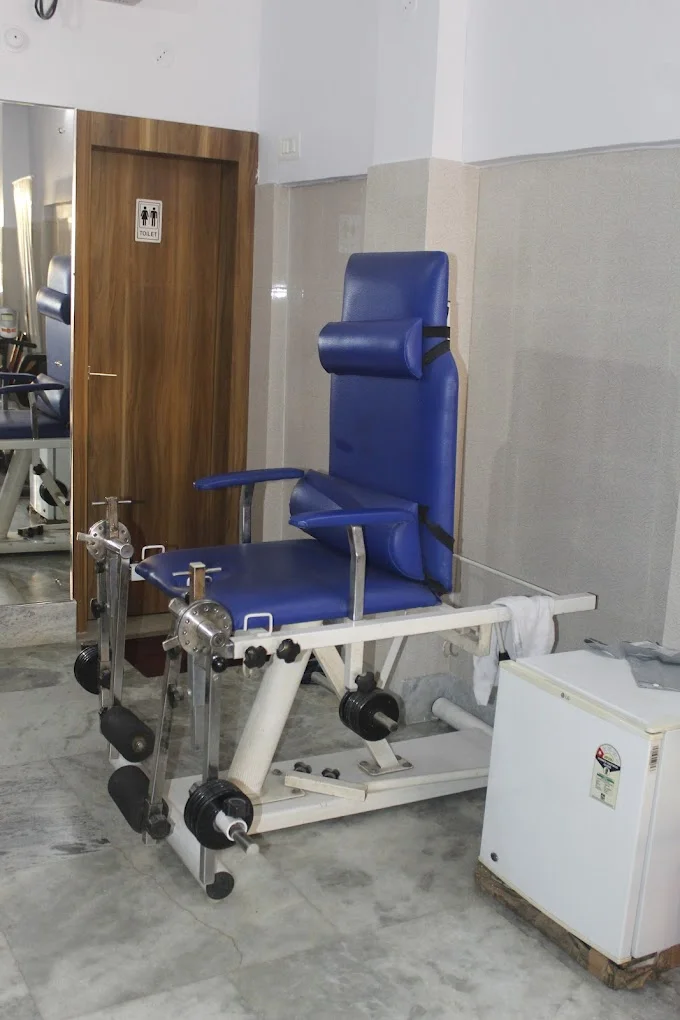

Pediatric physiotherapy is a specialized branch of physiotherapy focused on improving the physical development, movement, and functional abilities of infants, children, and adolescents. It helps children with congenital conditions, developmental delays, neurological disorders, musculoskeletal issues, and post-surgical rehabilitation.
Conditions Treated by Pediatric Physiotherapy :-
 Cerebral Palsy (CP) – Helps improve muscle tone, balance, and motor skills. Developmental Delay – Assists children who struggle with sitting, crawling, or walking. Muscular Dystrophy – Strengthens muscles and slows down deterioration. Torticollis & Plagiocephaly – Helps correct head and neck alignment issues. Spina Bifida – Improves mobility, muscle strength, and independence. Autism Spectrum Disorder (ASD) – Enhances coordination, balance, and motor planning. Brachial Plexus Injury – Improves arm movement and strength. Juvenile Arthritis – Reduces pain and stiffness, promoting joint mobility. Post-Surgical Rehabilitation – Aids recovery after orthopedic or neurological surgeries. Sports Injuries – Supports recovery and prevents future injuries.